I-CAR Gold Class  ·  ASE Certified  ·  Porsche Certified
Certified Collision & Auto Body

Window Tint That Beats Texas Heat, Legally

Podium Body Works installs ceramic and standard window tint at both shops, Round Rock and Liberty Hill, always within Texas law. Ceramic film earns its price in heat rejection, which is the thing a Texas summer actually tests, and a clear ceramic windshield tint cuts 70 to 80 percent of heat and UV without darkening your view.
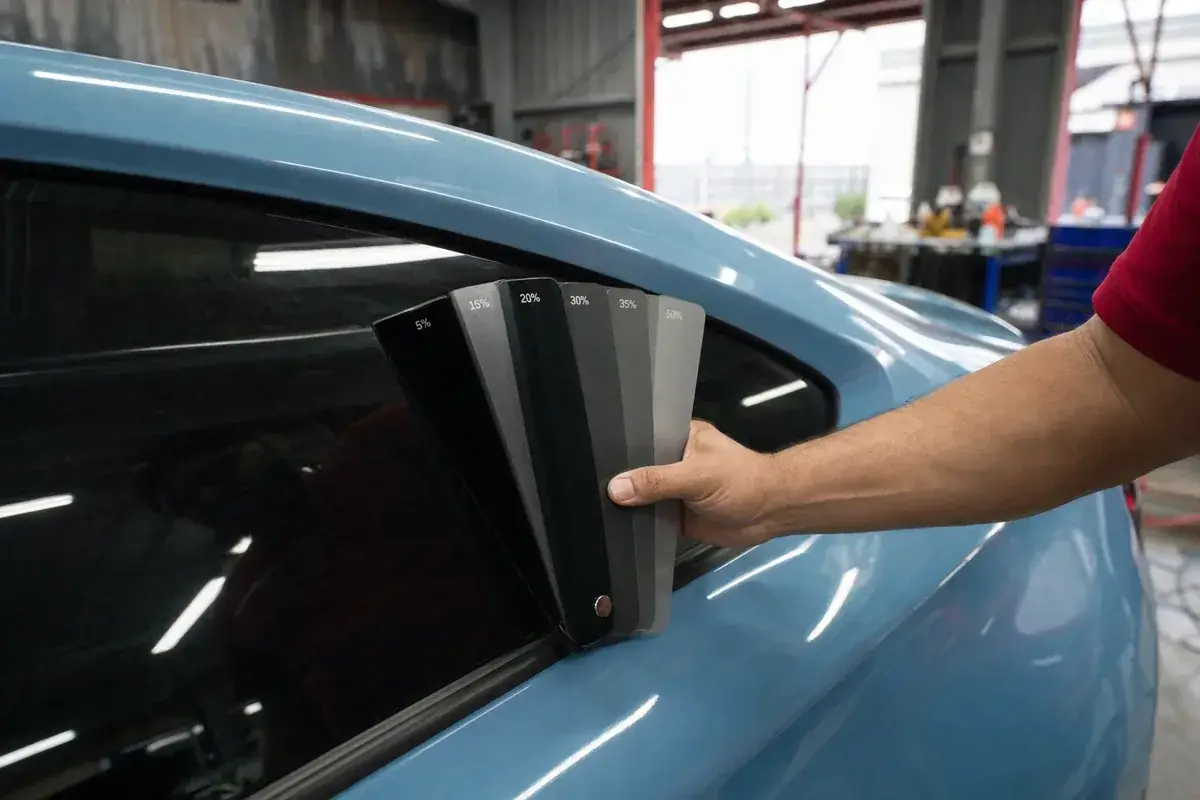
A fan of window-tint shade samples held against glass at Podium Body Works in Round Rock, Texas
I-CAR
Gold Class
Certified
ASE
Certified
Technicians
Porsche Certified
Liberty Hill
2
Locations North
of Austin
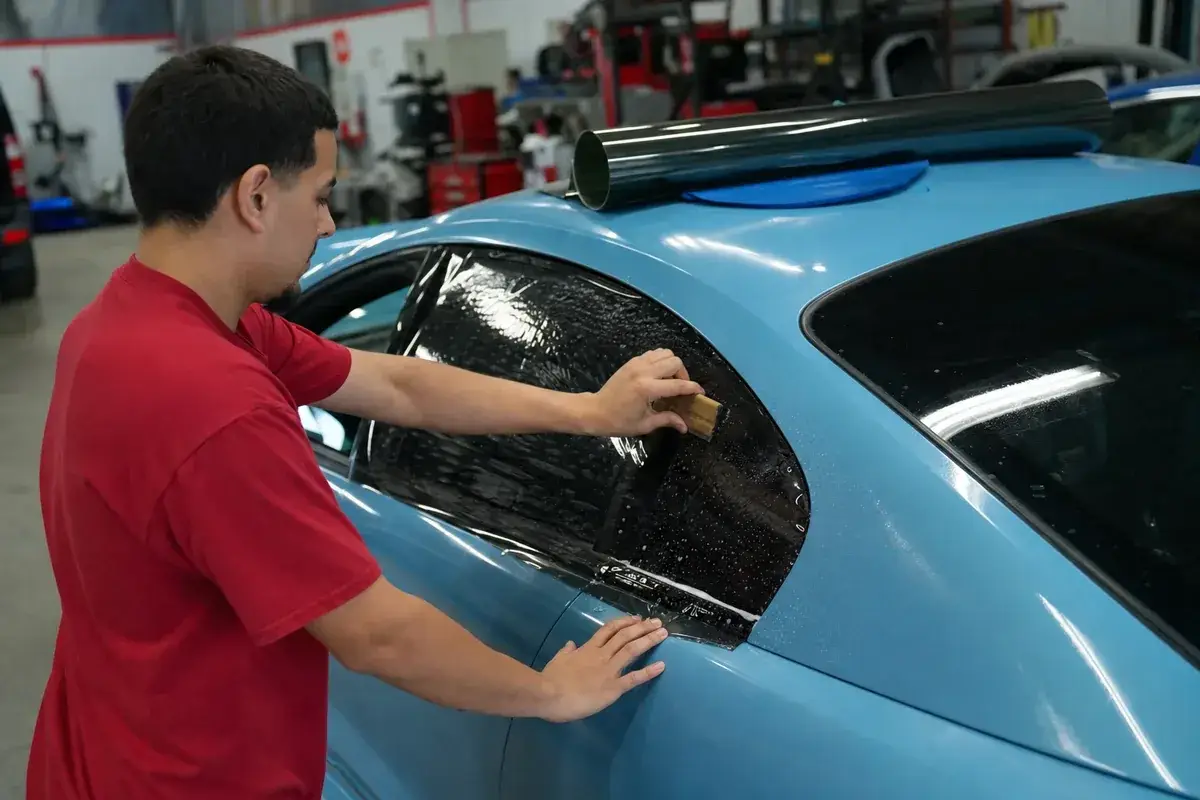
A technician installing ceramic window tint on a rear window at Podium Body Works in Round Rock, Texas
Film choice

Ceramic or standard tint,
which is right for Texas?

Ceramic, if heat is why you’re tinting. Standard film darkens glass and adds privacy; ceramic film does that and rejects far more heat and UV, so the cabin cools faster and the air conditioner works less. Standard tint still makes sense on a tight budget or a car you won’t keep long. We install both and quote both, so the choice is yours with real numbers, not a sales pitch.

If you’re protecting more than glass, tint pairs naturally with ceramic coating on paint and PPF on the impact zones.

The law

What tint is legal in Texas?

Texas law allows your front side windows to pass at least 25 percent of light. Behind the driver, you can go as dark as you like, all the way to blacked-out rear windows and back glass. We install to the law, every time. A tint ticket is cheap; the re-tint after a failed inspection isn’t.

If you want the dark look, we build it where the law allows it and keep the fronts compliant, which reads clean and passes inspection without drama.

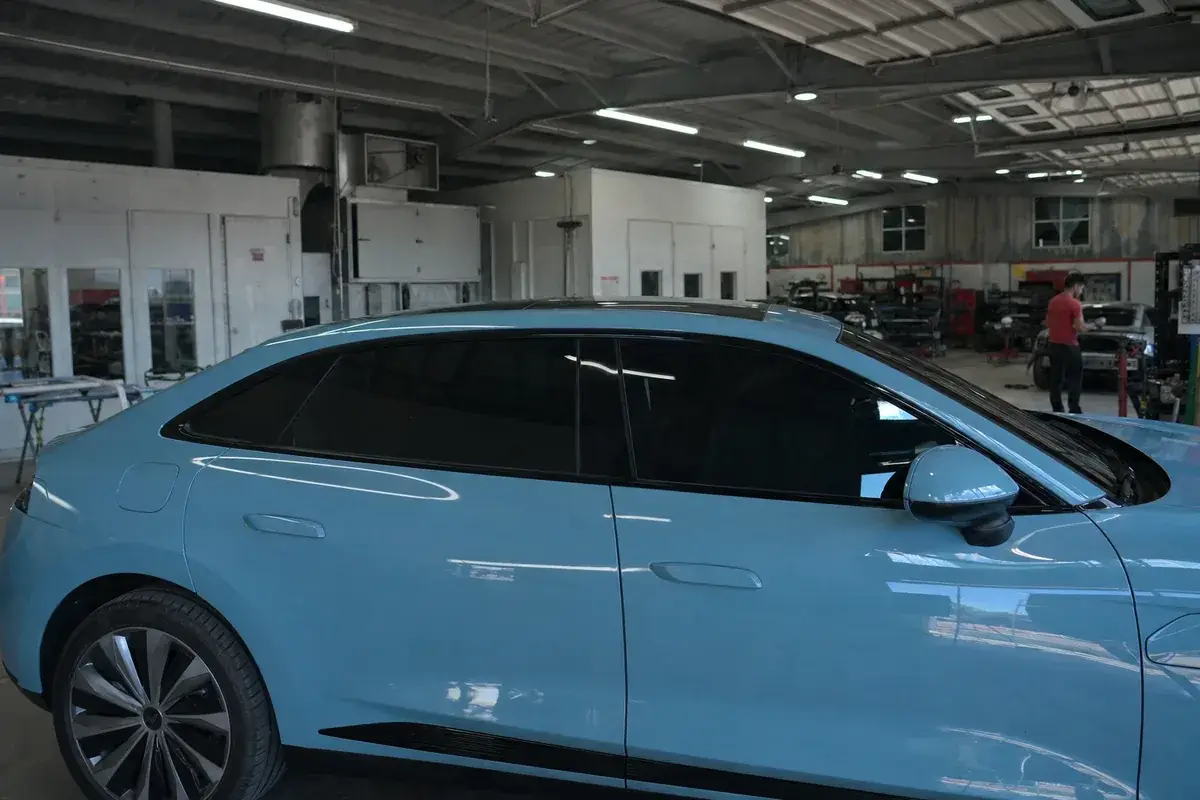
Freshly tinted side glass of a sedan, clean and even at Podium Body Works in Round Rock, Texas
Windshield

Can a windshield be tinted?

Not with dark film, but yes with clear ceramic. Texas doesn’t allow a dark windshield tint below the visor band, and we won’t install one. What we can do is a clear ceramic windshield film that rejects 70 to 80 percent of heat and UV with no visible darkening. It’s the single biggest comfort upgrade on a commuter car in this climate, because the windshield is the biggest piece of glass facing the sun.

Performance

How much heat and UV can tint reject?

Quality ceramic film turns the cabin from an oven into a car again. The clear ceramic windshield film alone rejects 70 to 80 percent of heat and UV, and ceramic side and rear film performs at the same level while adding the shade and privacy you actually see. UV rejection also protects what’s inside: dashboards, leather, and the interior surfaces that crack and fade after years of Texas sun.

Aftercare

How do I care for new tint?

Leave the windows up for 48 hours. The film cures against the glass in that window, and rolling the glass down early is the one mistake that ruins a fresh install. Light haze or tiny moisture pockets in the first days are normal and clear as the film dries. After that, clean with a soft cloth and an ammonia-free cleaner, and the film will look right for years.

Questions

Frequently asked questions

Front side windows must let at least 25 percent of light through. Rear windows and back glass can be as dark as you want.
Not with dark film. We install a clear ceramic windshield tint that rejects 70 to 80 percent of heat and UV with no darkening.
Ceramic costs more and earns it in heat rejection, the thing Texas summers test. We quote both honestly.
Keep them up 48 hours while the film cures.
It depends on film level and window count. Quotes are free from either shop.

Get Your Free Estimate

Send a few photos and we will get you a clear, honest estimate. Certified, insurer-independent, and accountable for the work.